Treatment for conditions specific to women or men

PELVIC CONGESTION SYNDROME (PCS)

• Chronic pelvic pain affects approximately 1/3 of all women and accounts for 15% of gynecology appointments

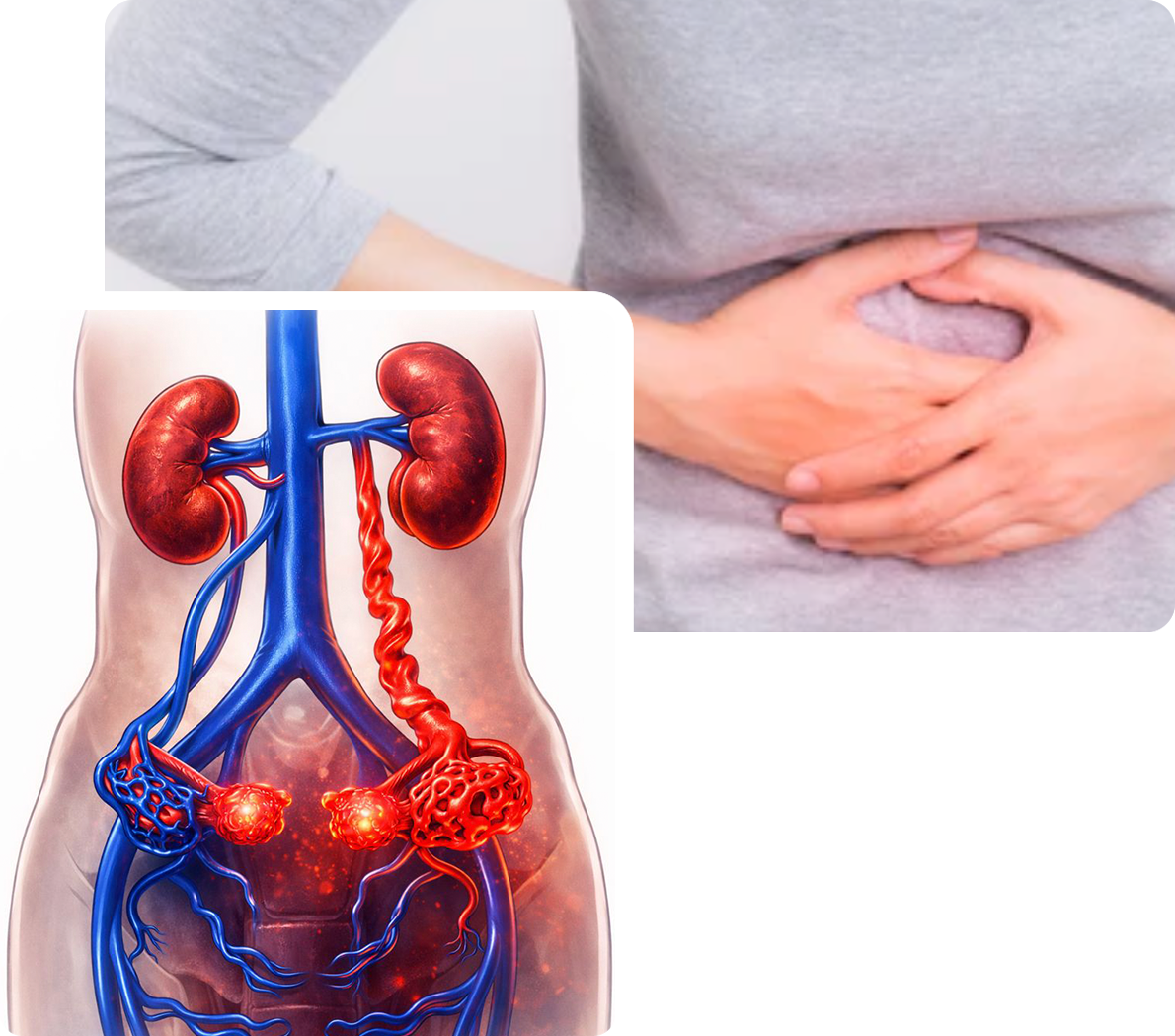
• PCS occurs as a result of damage to valves of the ovarian veins, allowing blood to flow backwards and pool in the pelvis

• Imaging findings of PCS are enlarged ovary veins and resulting varicose veins in the pelvis

• Up to half of all women evaluated for chronic pelvic pain are found to have varicose veins in the pelvis

• PCS is under diagnosed and likely effects about 10% of women

• Symptoms include lower abdominal and pelvic pain and pressure, worsened with standing, menses, exercise, pregnancy, or intercourse

• Hip or leg pain may occur and bulging varicose veins can develop on the vulva and upper legs

Treatment Options:

• Medical management with hormones that suppress ovarian function. Often provides only temporary relief

•Surgery: Ligation (suturing) of the ovarian vein is the most invasive option and may not completely treat the abnormal veins.

• Ovarian Vein Embolization: the abnormal ovarian vein is catheterized and then closed using a combination of coils (flexible platinum coils that block the vein) and sclerosent injection (a medication that shrinks and closes veins)

How is Ovarian Vein Embolization Performed?

• Under sedation a catheter is placed via a vein either in the leg or just above the collarbone then directed into the ovary veins on each side

• Contrast (x-ray dye) is injected into each ovary vein, performing a venogram to tell if the vein is enlarged and malfunctions

• The abnormal ovary vein is then closed with a combination of coils and sclerosent.

How Successful is Ovarian Vein Embolization in Treating PCS?

• The procedure itself is successfully performed in nearly 100% of patients

• One of the largest and longest studies showed 83% of patients had significant improvement in symptoms

VARICOCELE

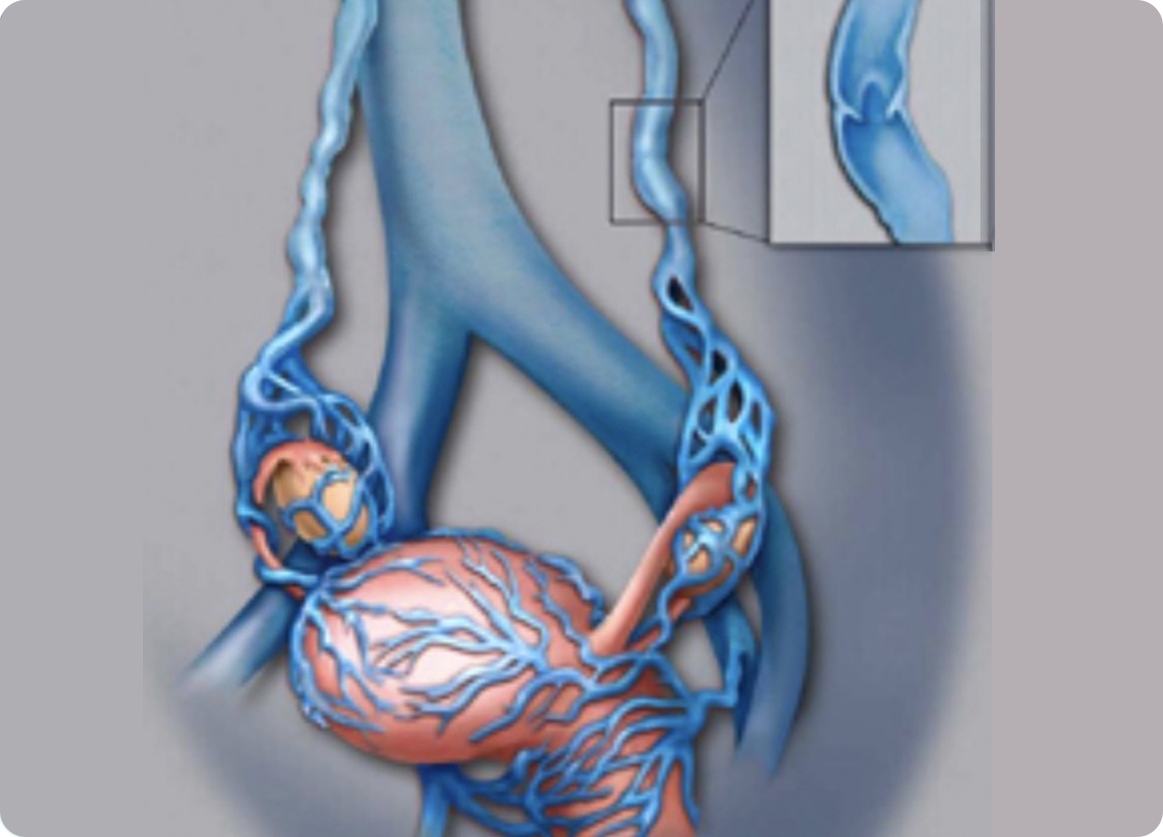
  • The male equivalent of pelvic congestion syndrome in women (see above), except that in men the affected veins are testicular veins and symptoms occur in the scrotum
  • Testicular veins and scrotal veins become enlarged as a result of backwards blood flow in the malfunctioning veins
  • Varicose veins occur in the scrotum
  • Occurs in 15% of males
  • More commonly found in infertile men
  • Causes typically dull, aching pain in scrotum, worsened by prolonged standing and exercise and improved with lying down

How are Varicoceles Treated?

• The procedure is identical to ovarian vein embolization in women (see above)

• A catheter is positioned into each testicular vein and venogram performed to confirm the condition

• Abnormal testicular veins are closed using a combination of coils and sclerosent, administered through the catheter

• Success rates are 80-95%, equivalent to surgical treatment but with a much less invasive procedure and much shorter recovery.

BENIGN PROSTATE HYPERPLASIA (BPH)

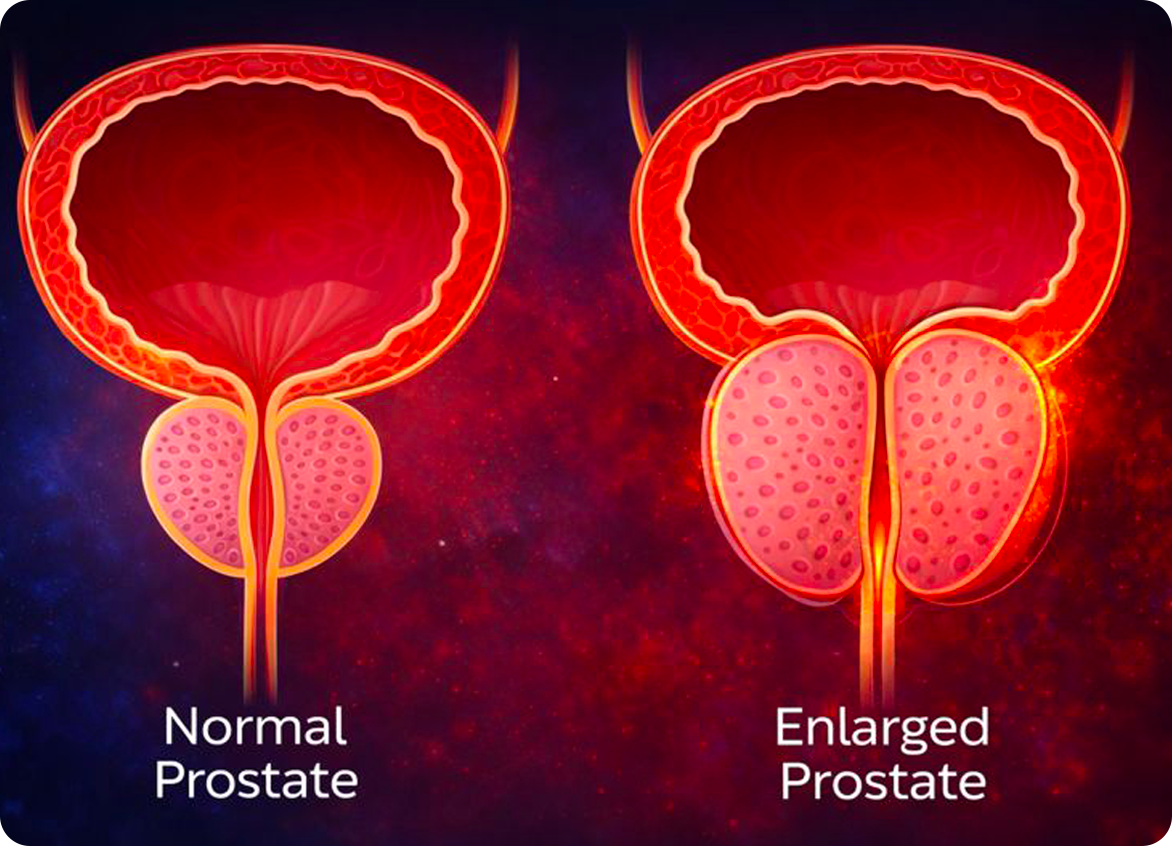
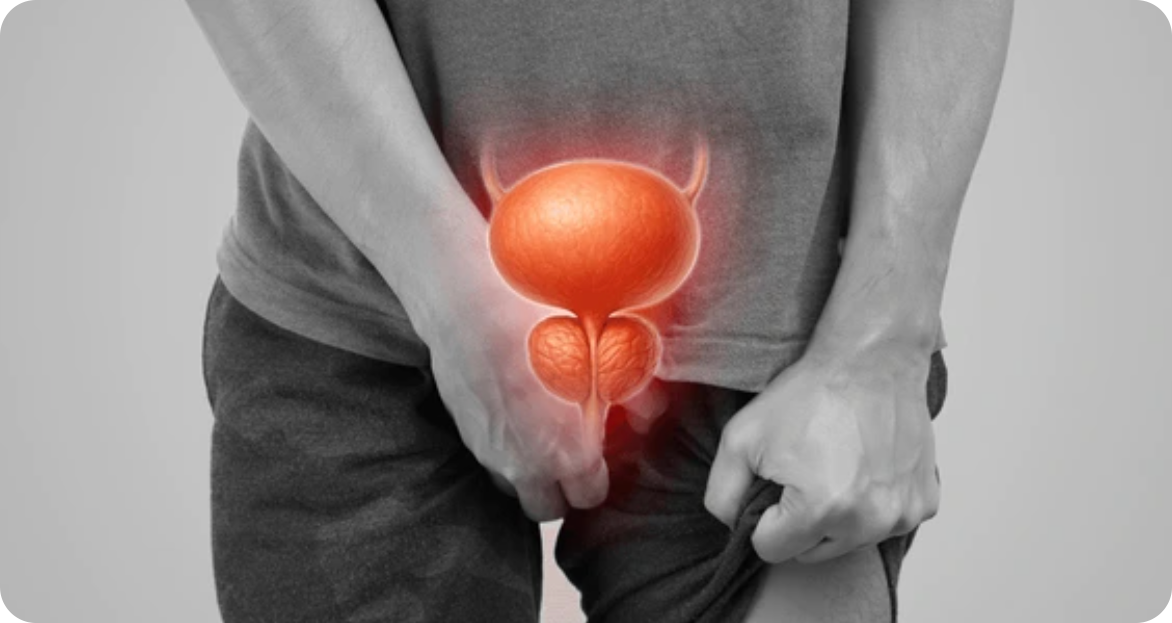
•Commonly known as an “enlarged prostate”

•Benign condition, but must be distinguished from prostate cancer by checking PSA level on a blood test and sometimes by performing an MRI

•BPH compresses the urethra just below the base of the bladder and reduced urine flow

•Symptoms include: frequent need to urinate, difficulty starting urination or completely emptying bladder, weak urine stream, and pelvic discomfort. A frequent symptoms is disruption of sleep due to need to get up and use bathroom multiple times throughout the night.

How is BPH Diagnosed?

• Many patients are already aware of condition based on symptoms, previous prostate exam, or referral to a urologist

• A questionnaire helps measure the severity of symptoms

• Imaging such as ultrasound, CT, or MRI confirm the diagnosis and imaging exams are important to calculate the size of the enlarged prostate

How is BPD Treated?

• The first line of therapy is medications that can relax the prostate and bladder muscle to improve urine flow and also medications that can slowly reduce prostate size

• Transurethral Resection of the Prostate (TURP) was the gold standard for many years, involving removal of prostate tissue through a scope placed in the urethra

• Other less invasive surgical techniques include laser treatment and different ways of heating and shrinking the prostate through catheters inserted in the urethra

• Prostate Artery Embolization (PAE) is a relatively new procedure, first performed in the early 2000’s with many studies supporting its success performed from 2010 on.

• FDA approval was achieved in 2017, and the American Urological Association now supports PAE as a recommended, evidence-based treatment option as of 2023.

What is Prostate Artery Embolization (PAE)?

• A vascular procedure performed by an Interventional Radiologist, under sedation, a catheter is placed through an artery in the upper leg and positioned into the prostate arteries on each side, performing an angiogram to visualize the artery and guide treatment

• Small particles measuring a fraction of a millimeter are injected through a small catheter and into the prostate artery on each side, reducing blood supply to the prostate
• The reduction in blood flow causes the prostate to shrink over time, relieving pressure on the bladder and urethra and improving urine flow.

How Successful is PAE?

• A successful procedure is accomplished in 90% of patients

• 80-90% of patients treated with PAE have significant improvement in symptoms

• It is possible for the prostate to begin enlarging again in 5-10 years, but PAE can also be repeated, if necessary

Request an Evaluation

If you are experiencing symptoms of PAD or are concerned about your vascular health, 

[Request an Evaluation] to schedule an appointment. Early detection and treatment are key to managing PAD and

preventing further complications.