Peripheral Artery Disease (PAD)

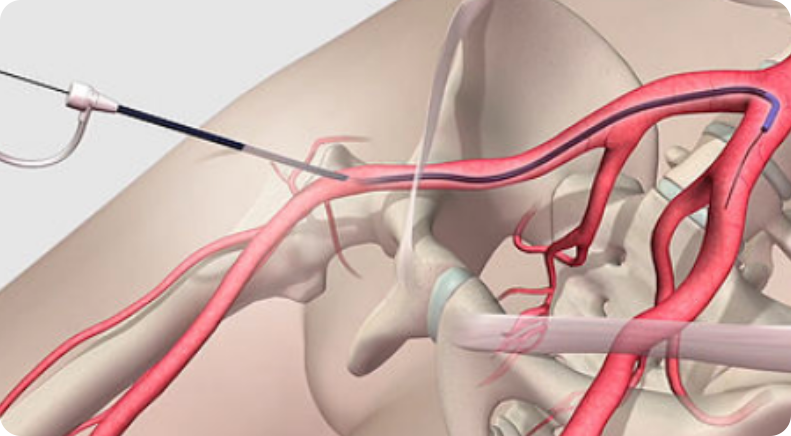
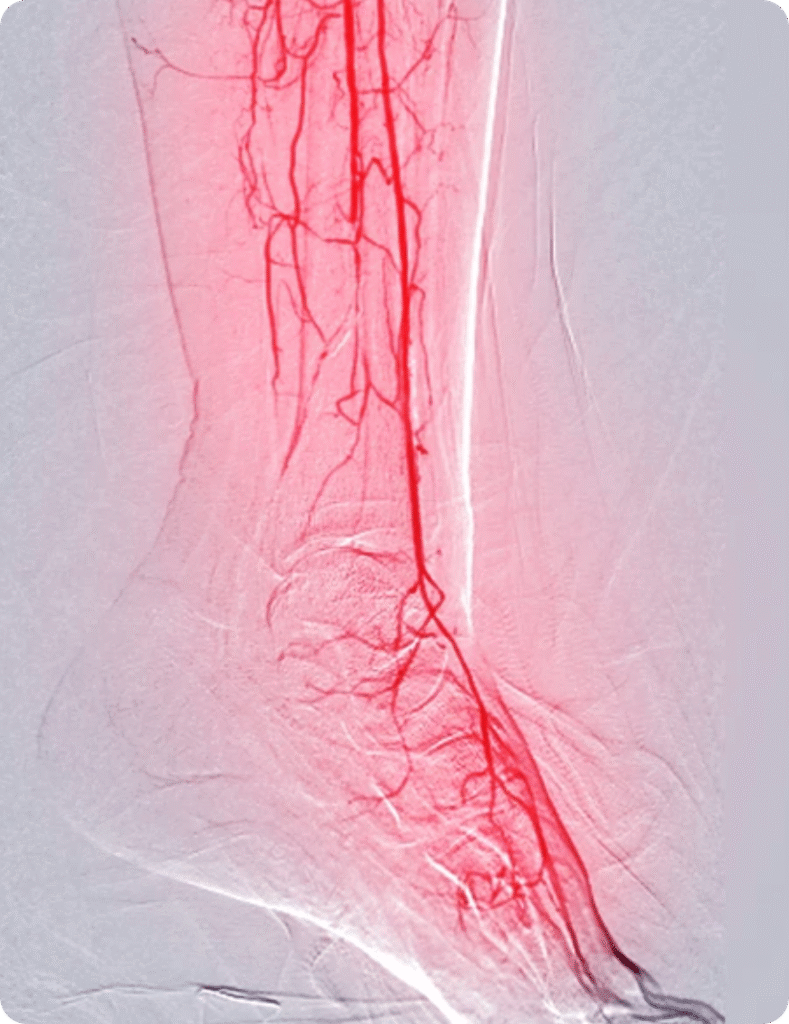
Peripheral artery disease occurs when plaque deposits narrow or block arteries, limiting blood flow in the leg and causing pain or more severe complications.

Who is at risk for PAD?

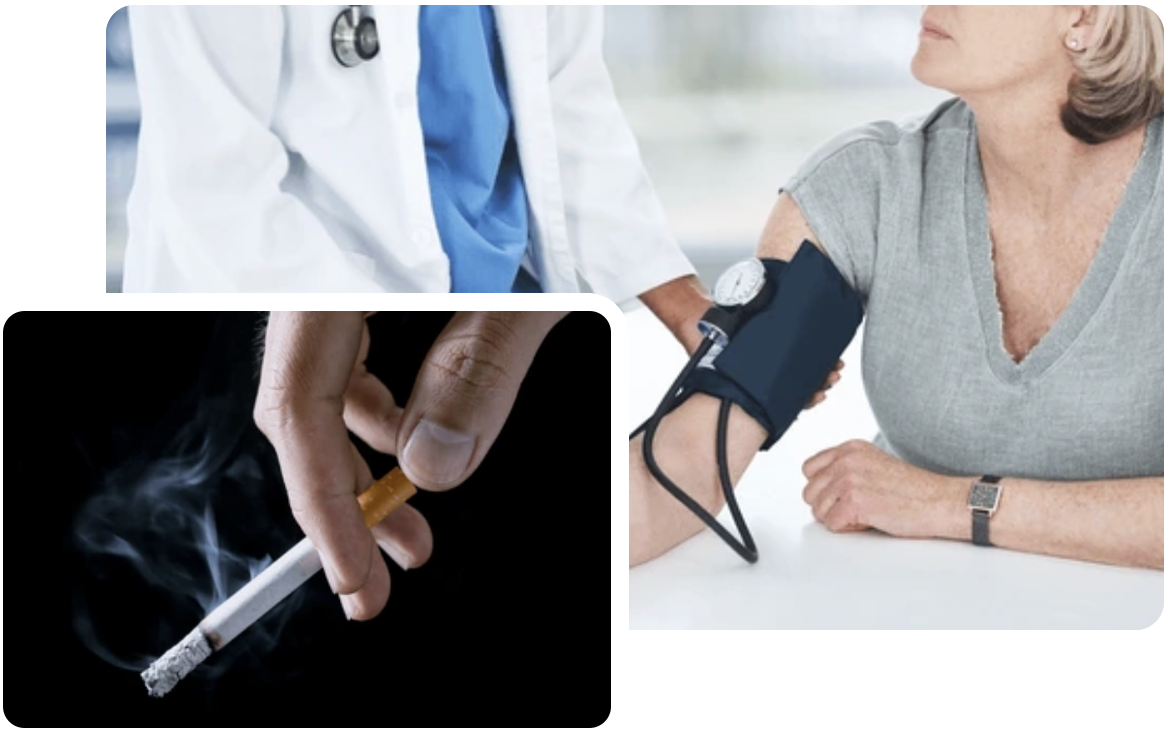
Multiple medical conditions can place you at risk for plaque buildup in
arteries (PAD), including:
– High blood pressure
– High Cholesterol
– Diabetes
– Smoking
– Genetics
Also, people with history of heart attack, stroke, or
kidney failure are also more likely to have PAD affecting
the legs, and vice versa.

What symptoms might indicate that I have PAD?

How is PAD diagnosis made?

How is PAD Treated?

Treatment starts with modification of risks factors, such as managing hypertension, diabetes, and cholesterol levels. Quitting smoking is particularly important. Once symptoms start you should be evaluated by a vascular specialist and undergo testing. Treatment options depend on severity of symptoms and ultrasound findings.

What can I expect at Peak Vascular Professionals?

Our providers have expertise in the evaluation and treatment of PAD, with the goal being improvements in your health and relief of symptoms. Communication and comfort are priorities, and we provide a comprehensive treatment plan with careful follow up. We also communicate and partner with your other healthcare providers to provide you the best possible long term outcomes.

Request an Evaluation

If you are experiencing symptoms of PAD or are concerned about your vascular health, 

[Request an Evaluation] to schedule an appointment. Early detection and treatment are key to managing PAD and

preventing further complications.